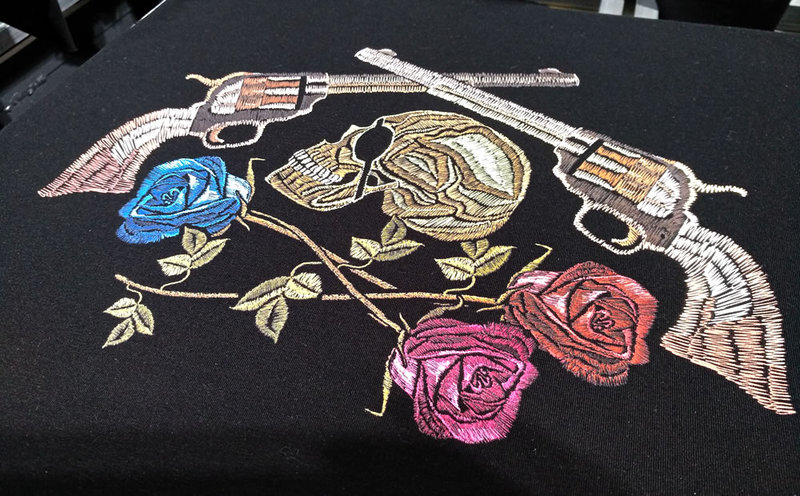
Introduction of eight common garment printing processes
Garment printing is a garment making process, which has few types, but it can have a variety of printing patterns when combined; With the development of science and technology, more and more digital printing machines are added to serve garment printing. What are the processes for garment printing? The following eight kinds are always suitable for you.
1、 Advanced water jet printing
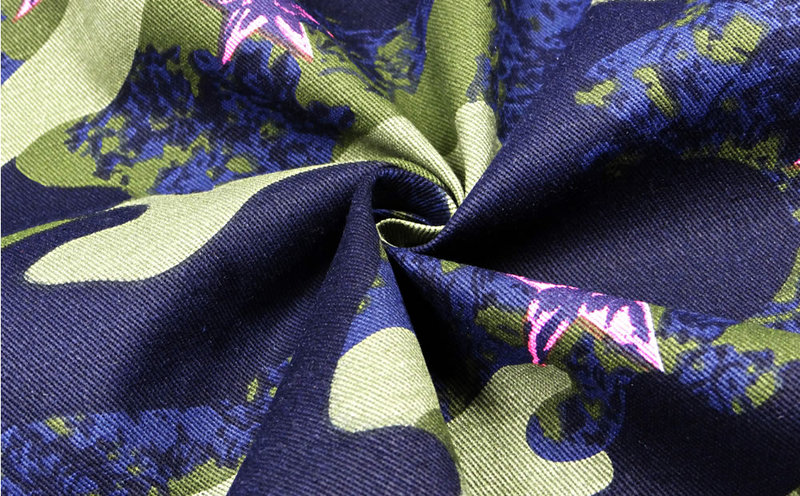
It is the most traditional printing process. The water slurry is a transparent color, which is only suitable for printing on white and other light colored fabrics. The printing effect is single. It is a kind of water-based slurry, which is not strong in hand feel and coverage. It is only suitable for printing on light colored surfaces. The price is relatively flat. It is a low-grade printing type. But it also has an advantage, because it will not affect the original texture of the fabric, so it is more suitable for large-area printing patterns.
2、 Bronzing and silvering
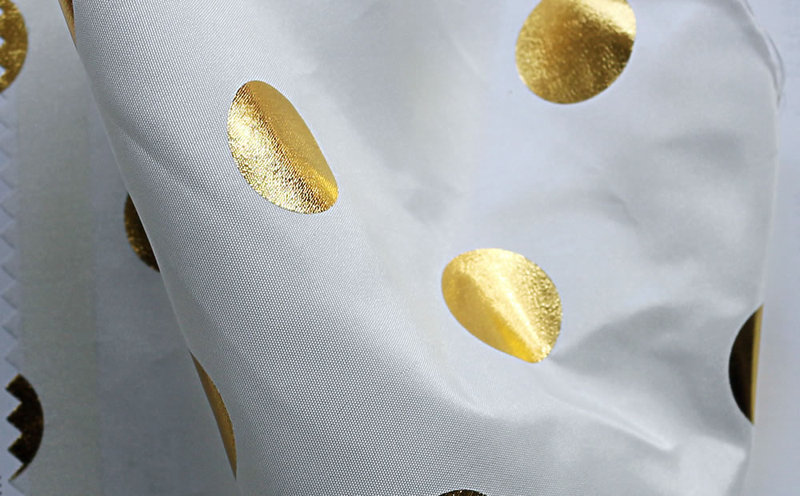
Bronzing and silver stamping are both a kind of post-treatment of fabric style process. In fact, the process principle is basically the same, but the materials used by the two are different. From the appearance, one has golden luster and the other has silver luster.
Screen printing is used to print the bronzing paste on the fabric, and then the T-shirt stamping machine is used to transfer the special electrochemical aluminum bronzing foil for the fabric to the T-shirt culture shirt. It has the advantages of simple and convenient operation, low cost, beautiful product, water washability, etc., while improving the product value and enriching the product decoration varieties. The pattern on the T-shirt will be clear, beautiful and colorful after the gold and silver are ironed, which greatly improves the grade of the T-shirt!
3、 Thick plate stereoscopic printing
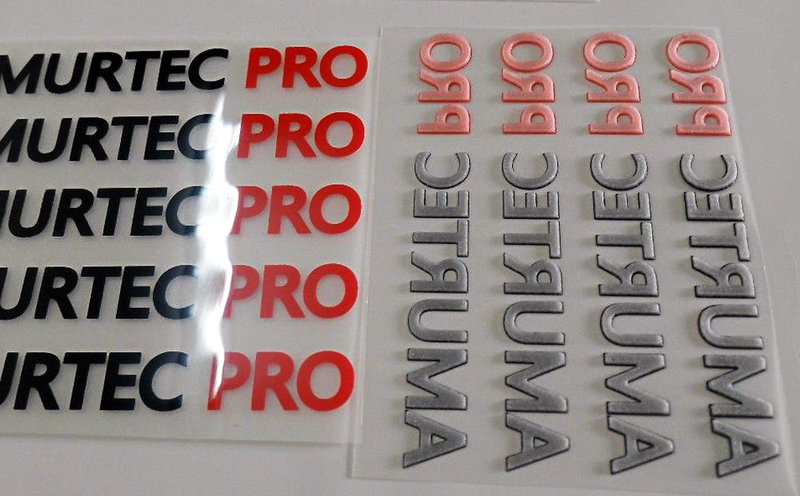
Thick plate printing has a very neat three-dimensional effect, so it is also called 3D printing. It can be printed with thick glue or right angle fillet thermosetting ink to achieve the desired effect.
Thick board paste is derived from the glue. It is just like the glue has repeatedly printed many layers. It can achieve a very neat three-dimensional effect. It is generally suitable for sports and leisure models. In terms of patterns, numbers, letters, geometric patterns, lines, etc. should not be too small.
4、 Reflective print
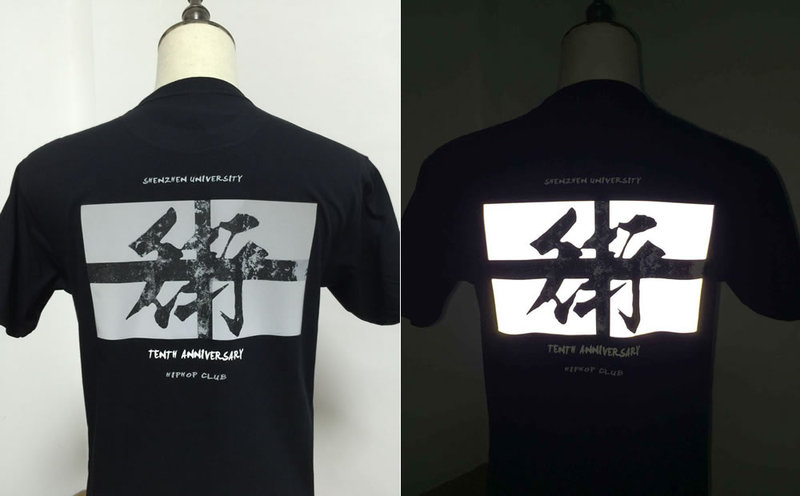
Special reflective material glass beads are added into the ink resin, which are directly printed on T-shirt fabrics of various colors through screen printing. In places with insufficient sunlight or at night, they can play a warning role through self illumination and reflection of external light sources. Suitable for printing fabrics of various fibers.
5、 Luminous printing
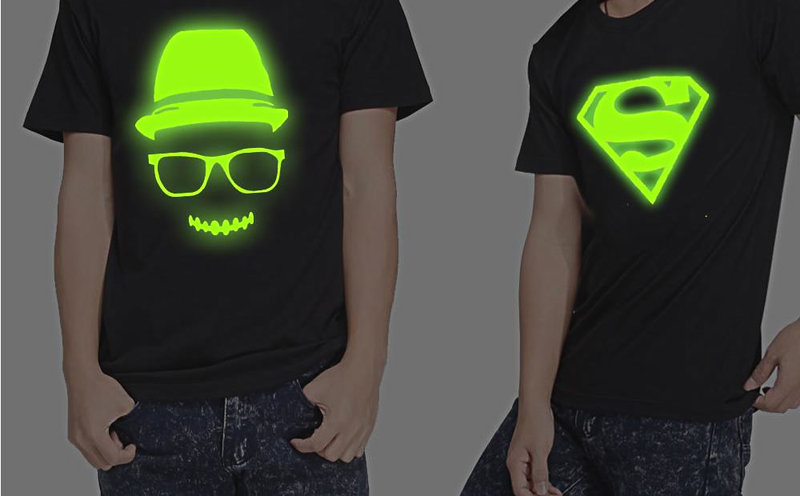
The luminous powder (rare earth) with light storage function is made into coating through screen printing and printed on fabrics of various materials
On the T-shirt fabric, a pattern is formed. After a certain amount of light, the pattern releases the storage afterglow after leaving the light source, which has good luminous effect, excellent hand feel and fastness. But it is only limited to light medium ground color.
6、 Thermosetting ink printing
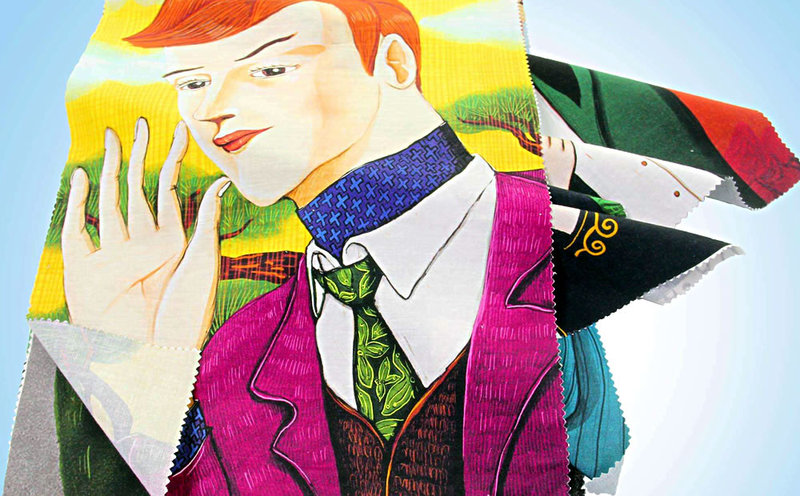
In the printing industry, thermosetting ink is more and more respected, thanks to its diversity (it can change a variety of printing effects), simple operation, convenience, easy preservation, environmental protection and no pollution. It is used to print exquisite animals, stars, animation games and other fashionable and unique high-definition pictures. Thick version thermosetting ink is used to print right angles, rounded corners and thick version special effects formed by different printing processes.
7、 Heat transfer hot stamping
A printing method in which patterns are printed on paper to make transfer paper, and then the dyes (or pigments) on the transfer paper are transferred to textiles under certain conditions. Transfer printing is mainly used in polyester fiber products. With the improvement of transfer printing, it is also widely used in nylon, acrylonitrile, cotton, linen and wool fabrics.
8、 Digital direct injection
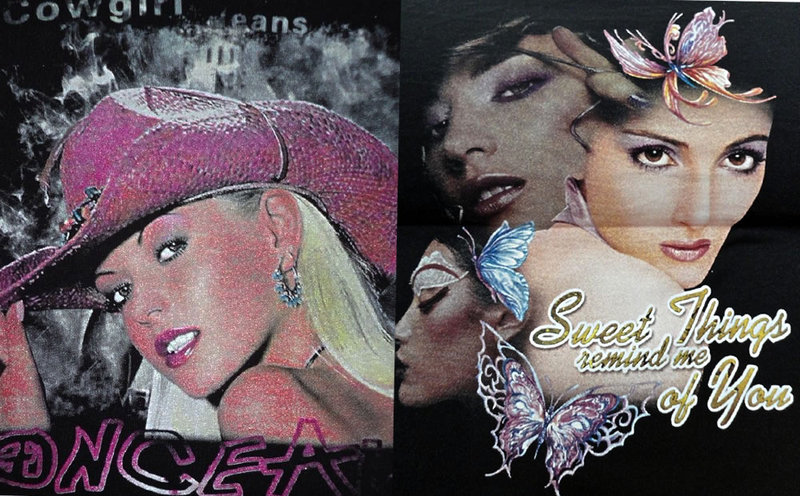
T-shirt digital direct jet printing is to use the digital direct jet printing machine to print the patterns in the computer directly on the T-shirt; The technology is similar to the printer printing paper technology we usually see. The ready-made clothes are fixed on the machine, and then the ink jet nozzle directly sprays the ink on the clothes. Digital direct injection does not require plate making, there is no limit on the minimum order quantity, and the image is formed at one time. The printing time of a T-shirt is about 1 minute. The spray printed patterns are colorful, waterproof, sunscreen, wear-resistant and never fade.